ICC Plans Tighter Control Over T20 Leagues, ILT20 and MLC Could Be Hit Hard
ICC plans tighter control over T20 leagues, with new overseas player limits and sponsorship rules potentially affecting ILT20 and MLC.

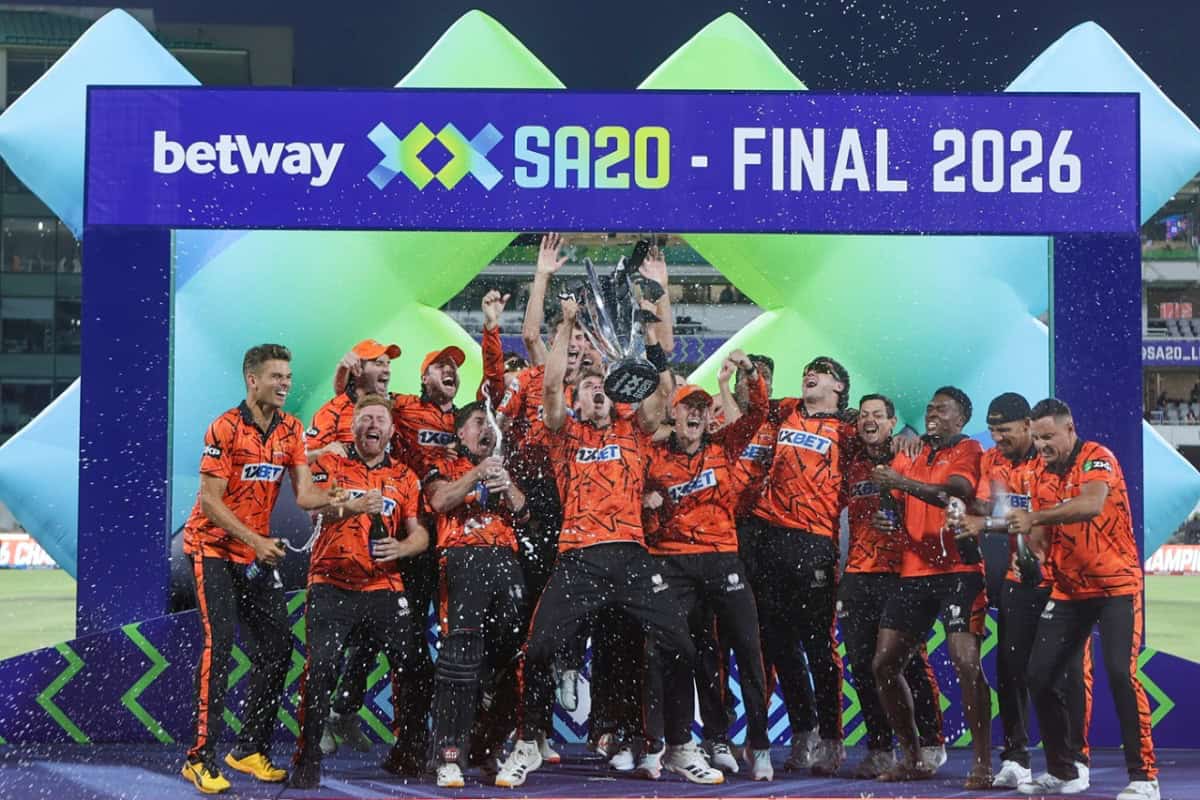
The International Cricket Council (ICC) is considering tighter control over T20 franchise leagues, with new proposals that could affect competitions such as the UAE’s ILT20 and Major League Cricket (MLC) in the United States.

A review group set up by the ICC has recommended expanding its powers to oversee franchise leagues, particularly in areas such as overseas player limits, anti-corruption measures and sponsorship rules.
The group is led by former Bangladesh opener and current Bangladesh Cricket Board (BCB) president Tamim Iqbal. Other members include ECB chief executive Richard Gould, Cricket Australia CEO Todd Greenberg and BCCI secretary Devajit Saikia.
The recommendations are expected to be discussed by cricket board heads and chief executives at the ICC’s quarterly meeting in Bali this weekend.
One of the biggest proposals is to enforce existing rules on overseas players in playing XIs. The ICC could introduce a standard limit of four overseas players, which would directly affect the ILT20 and MLC.
The ILT20 currently allows up to nine overseas players in a playing XI, while MLC permits up to six. A reduction to four could force both leagues to change their team combinations and player recruitment plans.
The review group has also proposed giving the ICC greater authority to review sanctions granted to leagues by Full Member boards. The ICC could audit or take over these sanctions if leagues fail to meet their obligations or face serious integrity concerns.
Another proposal is to restrict sponsorship deals involving betting companies or their associated brands in countries where betting is illegal.
The group has also recommended that franchise leagues use the ICC’s Anti-Corruption Unit (ACU) or another approved integrity body. League organisers would have to cover the cost of these services on a not-for-profit basis.
In addition, the ICC could introduce application fees for league sanctions. The money would help fund background checks and corruption investigations.
Other matters still under discussion include making solidarity payments to players mandatory, reviewing the rules for legends leagues and possibly limiting the number of franchise leagues an ICC member can host in its country.
The review group has also taken external legal advice and believes member boards would have little legal ground to challenge the proposed changes.
However, the proposals have already raised concerns among affected leagues. An official from one of the leagues described them as “very concerning” and questioned whether they would be practical to implement. The official also pointed to earlier assurances that existing leagues would receive protection under a grandfather clause.
ICC anti-corruption head Andy Ephgrave has also raised concerns about the franchise circuit. He said the ACU receives more reports of approaches to players in franchise leagues than in international cricket.
The ICC’s move comes amid concerns over weak sanctioning processes, corruption risks, changing ownership and unpaid player salaries. If approved, the new rules could reshape the T20 franchise landscape and put greater control of the global league system in the ICC’s hands.