T20 World Cup 2026: The Rs 4,500 Crore Crisis and Pakistan’s Role in Global Cricket Turmoil
Pakistan’s India match boycott at T20 World Cup 2026 risks massive revenue losses, legal trouble and long-term damage to PCB.

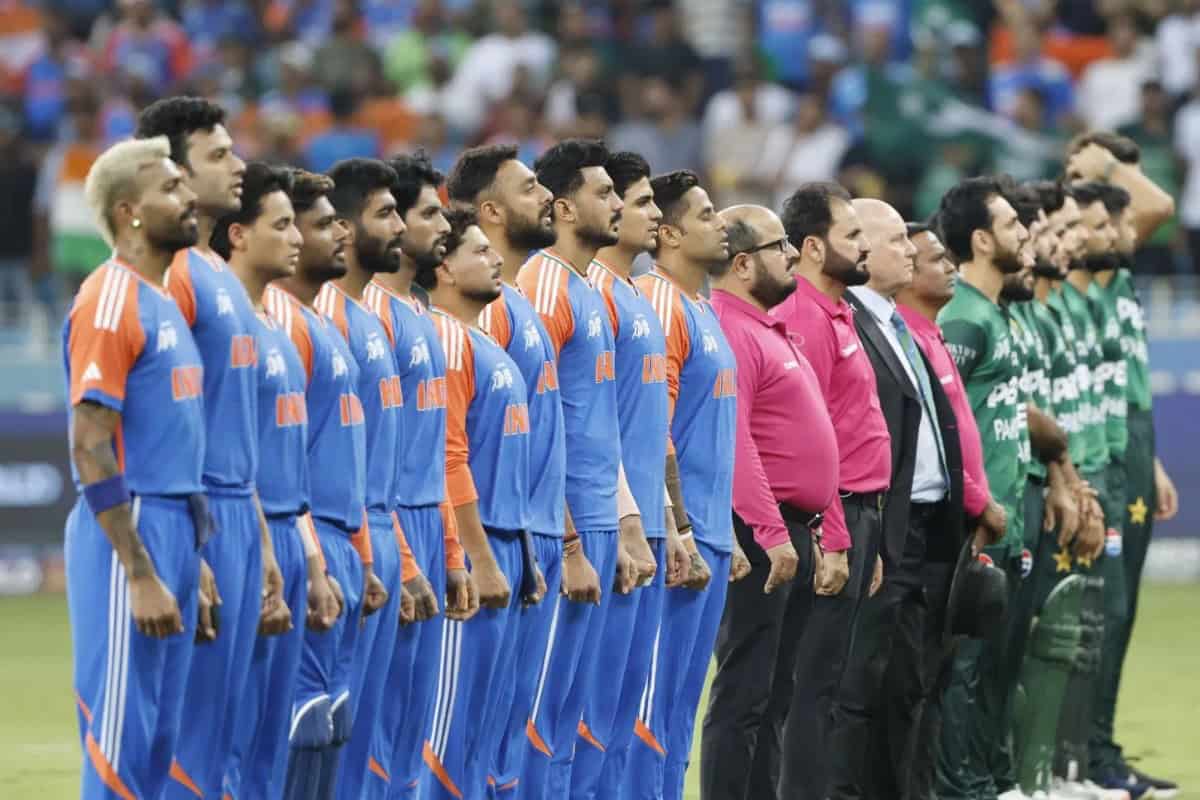
Pakistan will play the T20 World Cup 2026 after getting government clearance, but they have been barred from facing India. The decision means a direct boycott of the India–Pakistan group match, the biggest money-spinner in world cricket.

The India–Pakistan clash in a T20 World Cup is valued at around USD 500 million, close to Rs 4,500 crore, when broadcast rights, ads, sponsorships, tickets and betting interest are added together. No other match in the tournament comes close.
For the official broadcaster alone, ad revenue from this single game is estimated at roughly Rs 300 crore. Internally, each World Cup match is valued at about Rs 138.7 crore in the commercial structure of the International Cricket Council.
If the match is not played, both the Board of Control for Cricket in India and the Pakistan Cricket Board are expected to lose around Rs 200 crore each, including direct and indirect revenue.
For India, the loss is large but manageable. For Pakistan, it is far more serious. The PCB relies heavily on ICC money and receives about 5.75 percent of total ICC revenue, roughly USD 34.51 million per year. This share depends on Pakistan being seen as a reliable participant in global events.
A key issue is that this is a voluntary boycott. It does not fall under force majeure, which means there is no insurance cover. The PCB is fully exposed to possible damages, penalties, withheld ICC payments and even legal action from broadcasters.
There is also the risk of reputational damage. Broadcasters and sponsors may see Pakistan games as uncertain in the future, which could reduce broadcast valuations and sponsorship deals over time. That would hurt PCB revenues well beyond this one tournament.
Fans are another group set to lose out. Many supporters book flights, hotels and match tickets specifically for an India–Pakistan game. If the match is skipped, much of that personal spending cannot be recovered.
The wider impact could be felt across the cricket world. Smaller boards depend on ICC income, which is boosted heavily by India–Pakistan matches. Losing the biggest fixture threatens the financial balance of the entire tournament.
In today’s cricket economy, India vs Pakistan has become the engine that powers the World Cup. Walking away from it risks shaking the system, and Pakistan may end up paying the highest price.