PSL 2026 Faces Uncertainty as Media Rights Stall and India Broadcast Is Dropped
PSL 2026 faces financial and player risks as India broadcast rights are dropped and Pakistan’s T20 World Cup stance threatens ICC action.

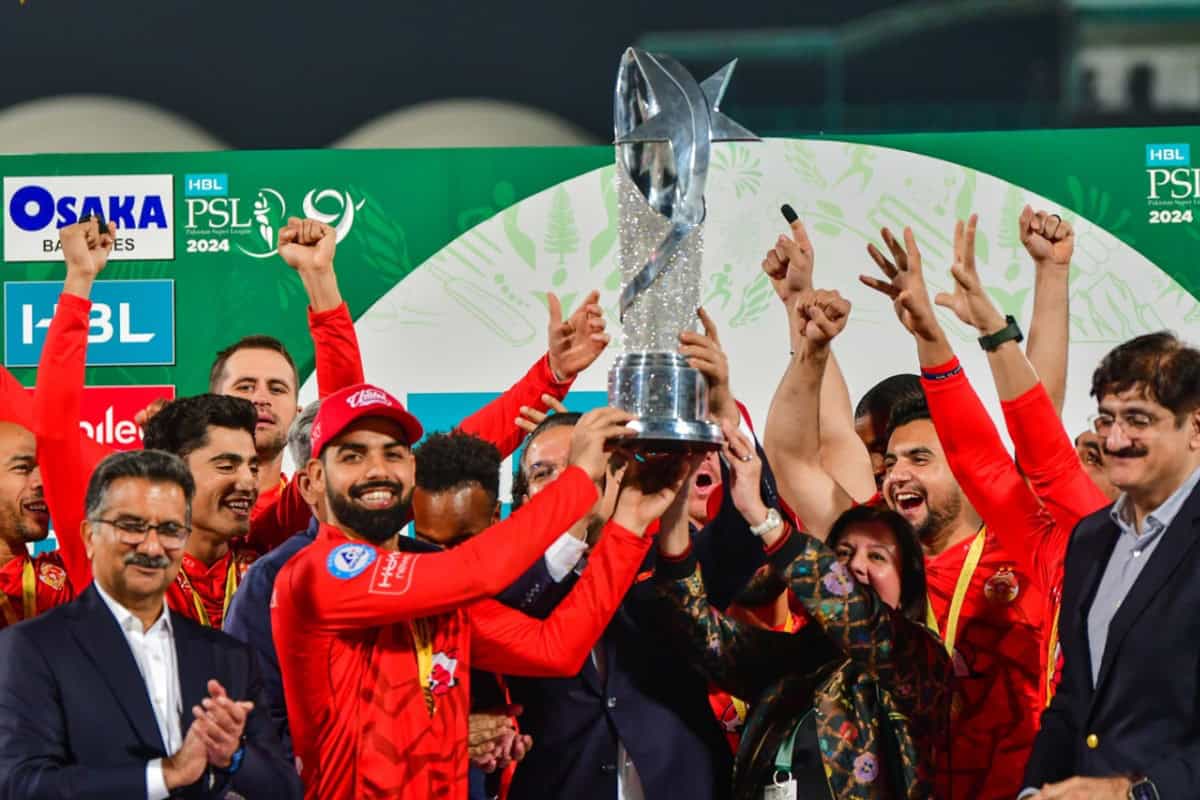
The 11th edition of the Pakistan Super League will run from March 26 to May 3 in 2026, with two new teams joining the competition, Sialkot Stallionz and Kingsmen Hyderabad.

While the expanded league promises more matches and new fan bases, the build-up to PSL 2026 has been clouded by money and politics, both of which could shape the tournament’s future.
One of the biggest decisions taken by the Pakistan Cricket Board is to not sell PSL media and broadcast rights in India. Last season, Sony Sports held the India rights, which brought in steady revenue and wider visibility.
This time, the PCB has opted out of the Indian market altogether, linking the move to the wider India-Pakistan standoff. As a result, PSL will lose access to one of cricket’s biggest TV audiences.
The media rights issue does not stop there. The first round of PSL broadcast bidding failed after broadcasters refused to meet the PCB’s high reserve price. A second round of bidding is still pending, with no confirmed date so far.
This delay has raised concerns among franchises and sponsors, as broadcast income is a major part of the league’s financial health.
The off-field tension is closely tied to Pakistan’s position at the T20 World Cup 2026. The government has cleared the team to travel to Sri Lanka for the group stage but has said Pakistan will not play against India.
So far, the PCB has not officially informed the ICC about this selective participation, but it is expected to support the government’s decision.
Cricket officials and insiders fear this stance could invite sanctions from the ICC. Any punishment could hit Pakistan cricket hard, starting with frozen revenues and limits on international funding.
There are also worries about foreign player availability. Reports suggest England red-ball players may not receive NOCs to play in PSL if the situation worsens, which would weaken team squads and lower the league’s quality.
In the worst-case scenario, continued defiance could even lead to a wider cricket ban, something Pakistan has faced in the past and cannot afford again.
For now, PSL 2026 remains on the calendar, but the mix of failed media deals, lost Indian broadcast income, and political pressure has put the league in a fragile position.
What happens next will depend on how the PCB handles its ICC relations and whether it can stabilise the league’s commercial future.