Reading the Pitch: How Conditions Decide Test Matches Before a Ball Is Bowled
Learn how pitch conditions, grass, moisture, cracks, bounce and weather influence team strategies and shape the outcome of Test matches.

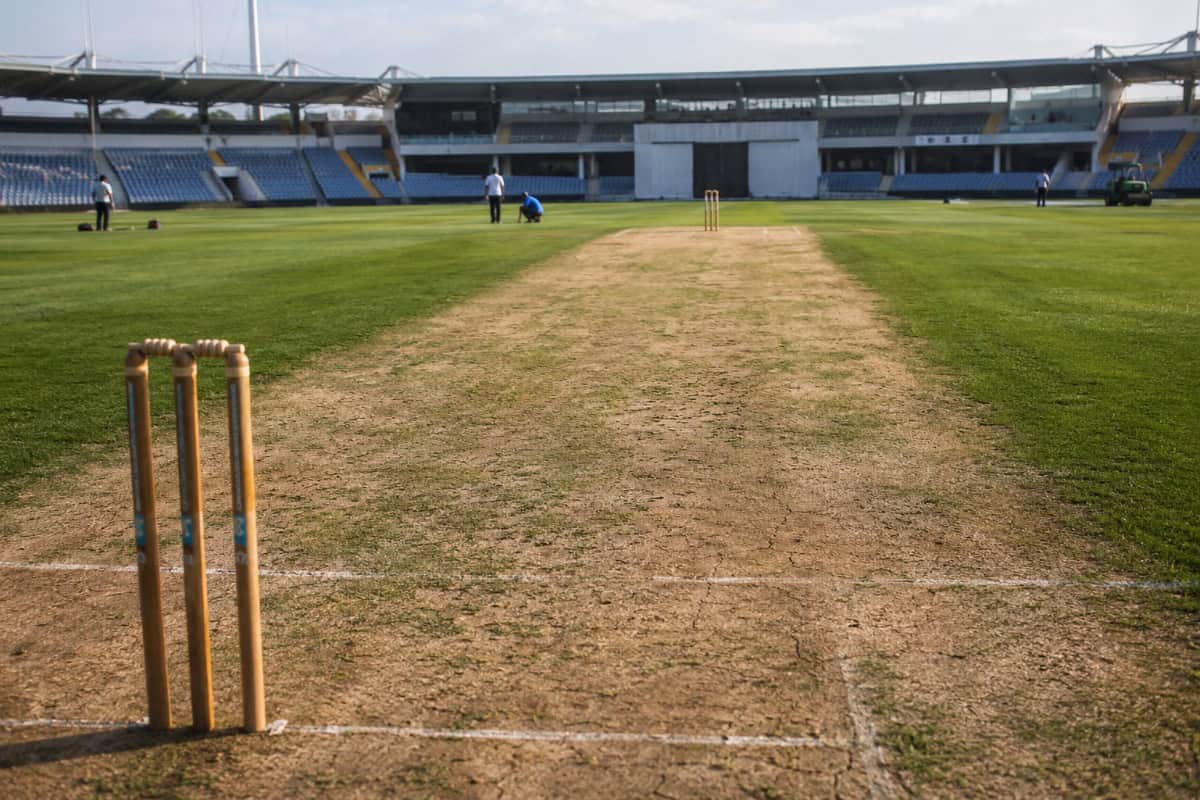
Ask any captain what matters most on the first morning of a Test match, and the answer usually starts with the 22 yards in the middle. Talent wins matches, but the pitch determines which kind of talent gets rewarded. A green seamer in Wellington, a dry turner in Chennai and a flat deck in Adelaide can turn the same two teams into completely different contests.

Here is a practical guide to reading a Test pitch the way analysts and commentators do, and understanding what it reveals about the five days ahead.
1. Colour and Grass Cover
The first thing everyone looks at is the colour of the pitch.
- Green, with live grass: Expect seam movement, especially in the first session and under overcast conditions. Fast bowlers who hit the deck hard can be particularly dangerous, making batting first a potential gamble.
- Brown or straw-coloured: The surface is generally drier. It may offer good batting conditions early on before gradually starting to assist spinners from the third day.
- Patchy, with bare spots: The ball may behave unpredictably. Bare patches often deteriorate first, creating opportunities for spinners and reverse swing later in the match.
Grass cover alone does not tell the whole story. Rolled, dry grass can produce a relatively flat surface, while a little moisture beneath a brown surface can still help seamers on the opening day.
2. Moisture and the First Session
Groundstaff prepare pitches days in advance, but overnight dew and the use of covers can still influence playing conditions. A surface that looks dark and slightly damp in the morning may offer sideways movement during the first hour or two. That is why captains sometimes choose to bowl first, even on pitches expected to become good for batting later in the match. They want to take advantage of the new ball while moisture is still present.
3. Cracks and How They Develop
Cracks are a major talking point, especially in Asian conditions. Fine cracks on the first day are normal. What matters is whether they widen as the match progresses. When a pitch dries out under the sun, cracks can open up and their edges may begin to break away. Balls landing on these edges can bounce unpredictably or keep low, making batting in the fourth innings much more challenging.
This is one reason the toss can be so important in certain conditions. Winning it on a pitch expected to crack often means choosing to bat first and leaving the opposition to bat last.
4. Bounce and Pace
Bounce is difficult to judge by simply looking at the surface, but a venue’s history can provide useful clues. Venues such as Perth and Centurion are known for their steep bounce, while many subcontinental grounds tend to offer lower bounce and slower conditions.
Batters adjust their techniques accordingly: back-foot play becomes important on bouncy surfaces, while front-foot play and soft hands are often more effective on slower pitches. Teams also select their playing XI with these conditions in mind, often opting for an extra pacer or spinner depending on how the surface has behaved in recent matches.
5. Weather Is Part of the Pitch
Cloud cover, humidity and wind can all influence how a pitch plays. Overcast skies can assist swing bowling, even on a relatively flat surface. Hot sunshine dries out the pitch faster and can bring spinners into the game earlier. Rain interruptions can also alter surface conditions and give seamers another opportunity to exploit moisture.
Always consider the weather forecast alongside the pitch report.
Day by Day: What Usually Happens
- Day 1: Best for seamers if there is moisture or grass cover; otherwise, batting conditions can become favourable once the new ball loses its shine.
- Day 2: Often the best day for batting, as the surface has settled but has not yet suffered significant wear.
- Day 3: Spinners may start finding more grip on dry pitches, while footmarks begin to develop.
- Day 4: Cracks and rough patches become more influential, making scoring increasingly difficult.
- Day 5: Usually the toughest day for batting on deteriorating surfaces, particularly against quality spin bowling.
This pattern is a general guide, not a rule. Some modern pitches remain true throughout all five days, while certain green tops become easier to bat on as the grass dies down.
How Teams Use Pitch Reading
Pitch reading influences almost every major decision in a Test match:
- Team selection: Should a team play two spinners or three seamers? Is an extra batter or an all-rounder a better option?
- The toss: Should the team bat first on a surface expected to deteriorate or bowl first on a lively morning?
- Declarations: How many runs are enough when the opposition will have to bat last on a wearing pitch?
- Field settings: More slips on bouncy surfaces and close-in catchers for spinners on turning tracks.
Fans who follow these signals can enjoy the game on a deeper level. You start to understand why a captain chooses to bowl first, why a spinner is held back until the third day, or why a team selects four seamers for a venue that appears to offer plenty of assistance to fast bowlers.
Where Fans Follow the Action
Cricket fans today follow Test matches across multiple platforms, from ball-by-ball commentary to detailed match analysis. Many also follow live odds as a way of gauging how expectations change throughout a game.
Platforms such as Lotus365 display ball-by-ball market updates during matches, offering another perspective on how quickly expectations can shift following a key wicket or a big partnership. If you use any such platform, set a budget, play responsibly and remember that these services are intended strictly for adults aged 18 and above.
Know the Laws Behind the Conditions
Pitch preparation, covering, rolling and mowing between innings are governed by the Laws of Cricket and the relevant match playing conditions. If you want to understand what groundstaff can and cannot do during a match, the MCC’s official Laws of Cricket are the best place to start.
The Bottom Line
A pitch is not just a strip of grass. It is a five-day story that evolves with the sun, wind and wear caused by every delivery. Read its colour, moisture, cracks and bounce, factor in the weather, and you will understand much of a Test match’s unfolding story long before the final session.